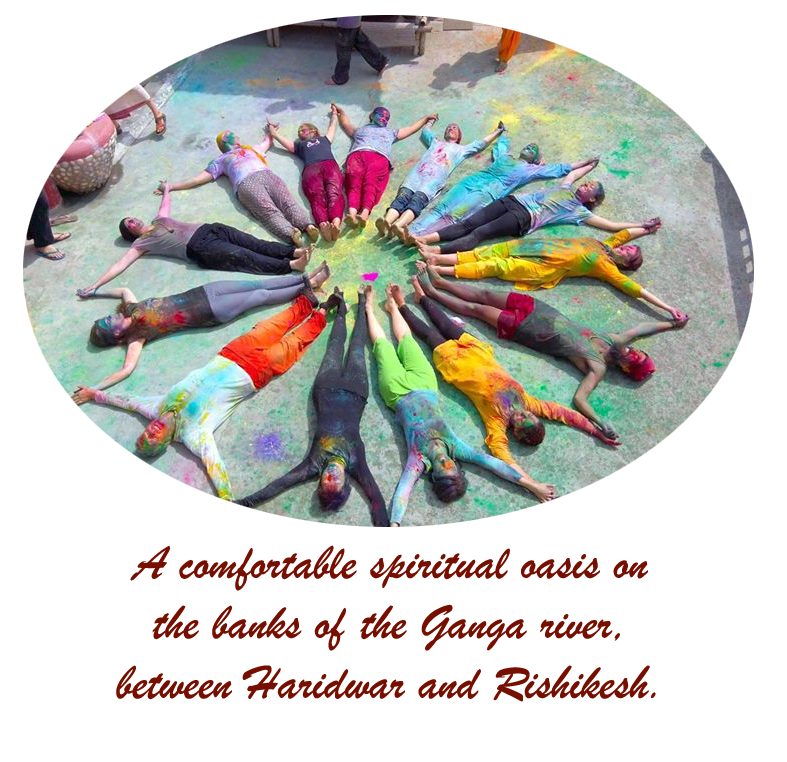
To spread the original, universal and eternal truth, path or law of yoga, which remains forever the same in essence, yet always adapts to the time and place.
|
To spread the original, universal and eternal truth, path or law of yoga, which remains forever the same in essence, yet always adapts to the time and place. |
|
|
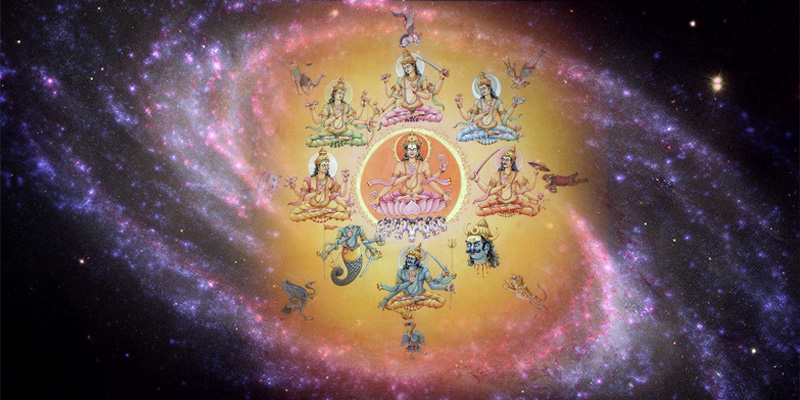
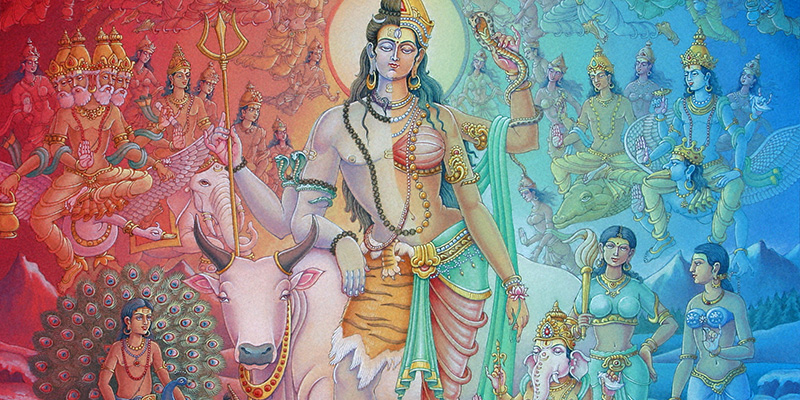
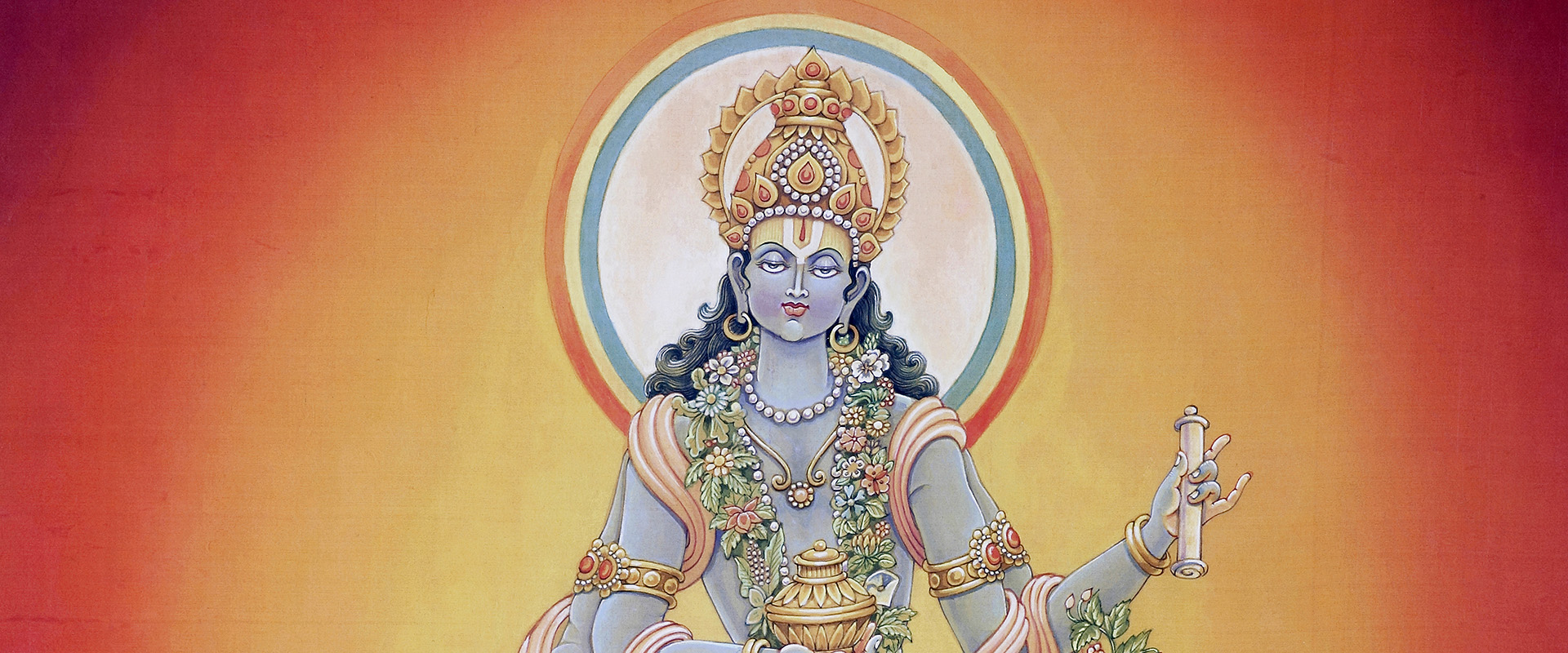
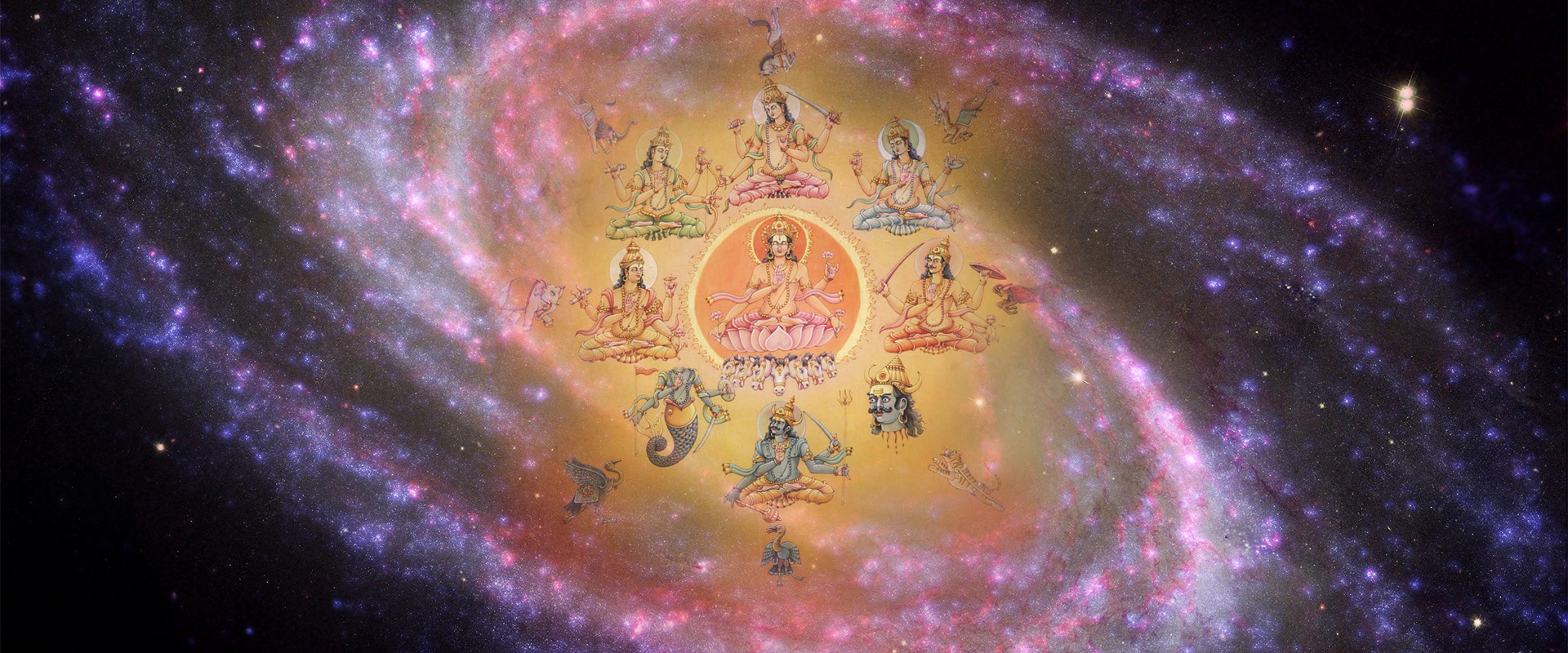
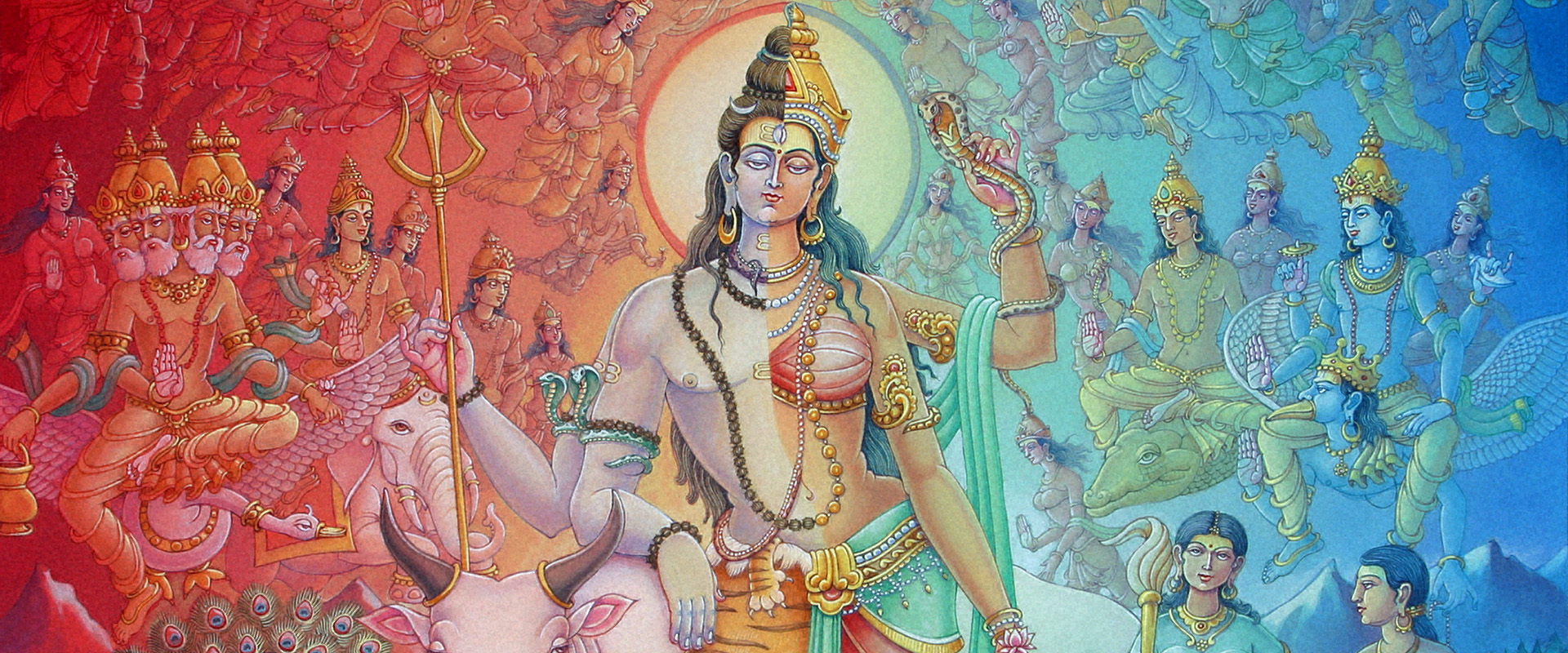
Homa, or havan, is fire worship. In Tantra Yoga, homa is used to enhance the effects of japa. When the japa is done without any desire, it needs no fire worship. Fire is visible divine energy that can be seen and felt. It is said to be the mediator between humans and gods. Homa is performed in a receptacle (kund) in which a fireplace (vedi) is made with bricks. The Homa fireplace should be decorated with colorful flowers, leaves, grains, and beans. Wood to be used as fuel for Homa should burn easily without creating much smoke. In India the wood from a mango tree is most often used for Homa. The Homa wood should be completely dry and cut or broken to suit the size of the kund. Samigri is a combination of thirty-six herbs used to purify the atmosphere and smells very good, like incense. Some ghee and raw sugar should be added to the herbs. When the Homa is performed, the chemicals in the samigri are burnt and get converted into gaseous form which mix in the atmosphere, entering the breath and the body chemistry of the one doing the Homa and those who are in the vicinity. These chemicals go to the gods that are present as different energies or abilities inside the human organism. Tantra believes in one God with many forms. Because God performs many kinds of functions, he has many names. For performing each job, He has to shape himself into a different form. That is why there appear so many gods. But all the names are His name and all the forms are His form. When he creates he is called Brahma. When he preserves, he is called Vishnu. When he destroys, he is called Shiva. When he brings forth the energy of heat and light, he is called Sun. When he beholds the creation he is called Earth. He is neither male nor female. His static aspect is male. His dynamic aspect is female. |
|
|
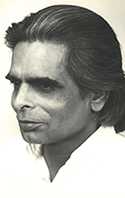 Sanatan Society is an international networking association of students of the late Harish Johari, joining efforts to promote his teachings of yoga philosophy, tantra, worship, art and love. Sanatan Society stands
for the original, universal and eternal truth, path or law of yoga.
Though it is Hindu in origin, Sanatan Society is not limited to any religion,
race, time or country, nor in fact to any particular organisation. More about Sanatan Society...
Sanatan Society is an international networking association of students of the late Harish Johari, joining efforts to promote his teachings of yoga philosophy, tantra, worship, art and love. Sanatan Society stands
for the original, universal and eternal truth, path or law of yoga.
Though it is Hindu in origin, Sanatan Society is not limited to any religion,
race, time or country, nor in fact to any particular organisation. More about Sanatan Society...




 Synthesized extract
on Homa by
Synthesized extract
on Homa by